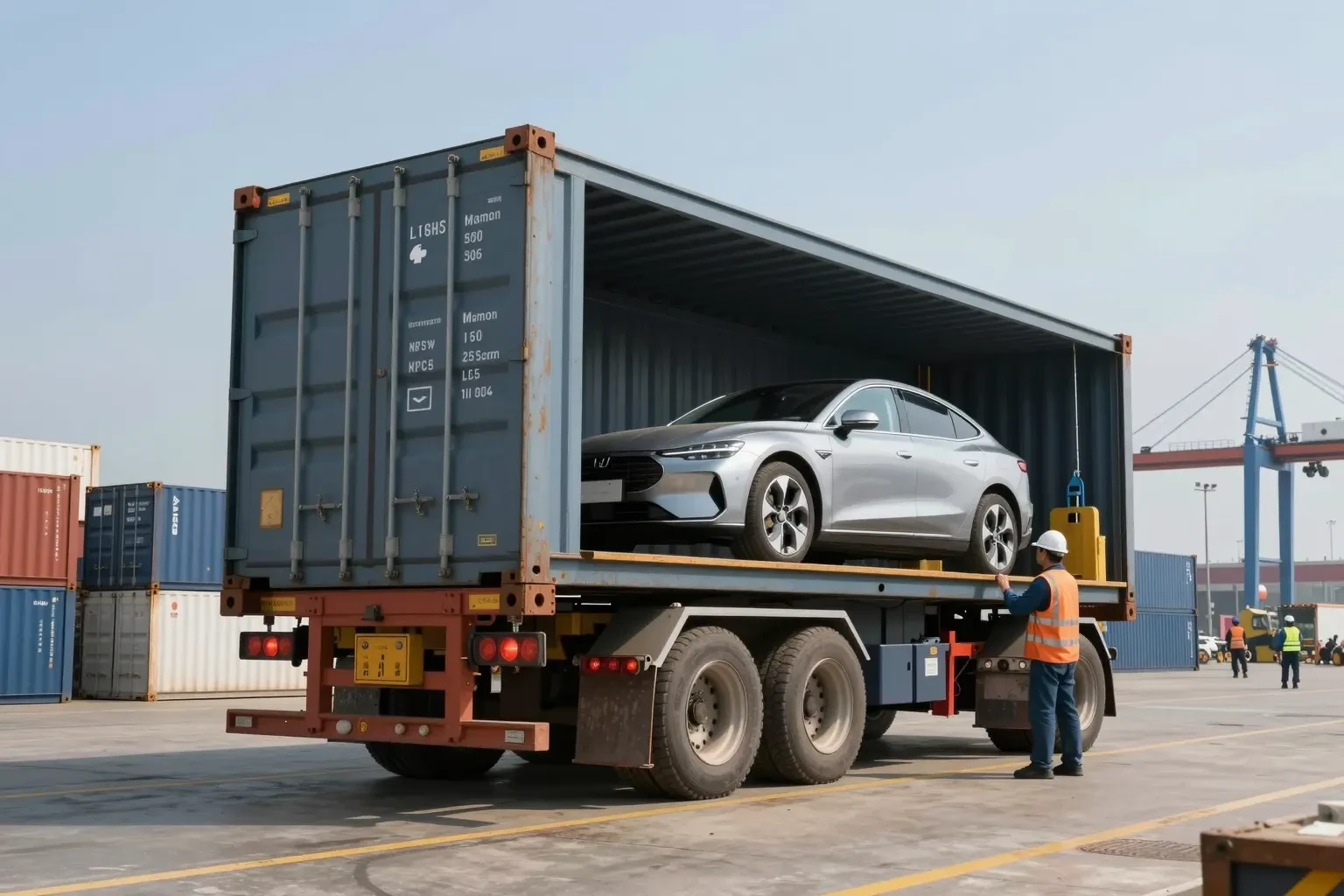
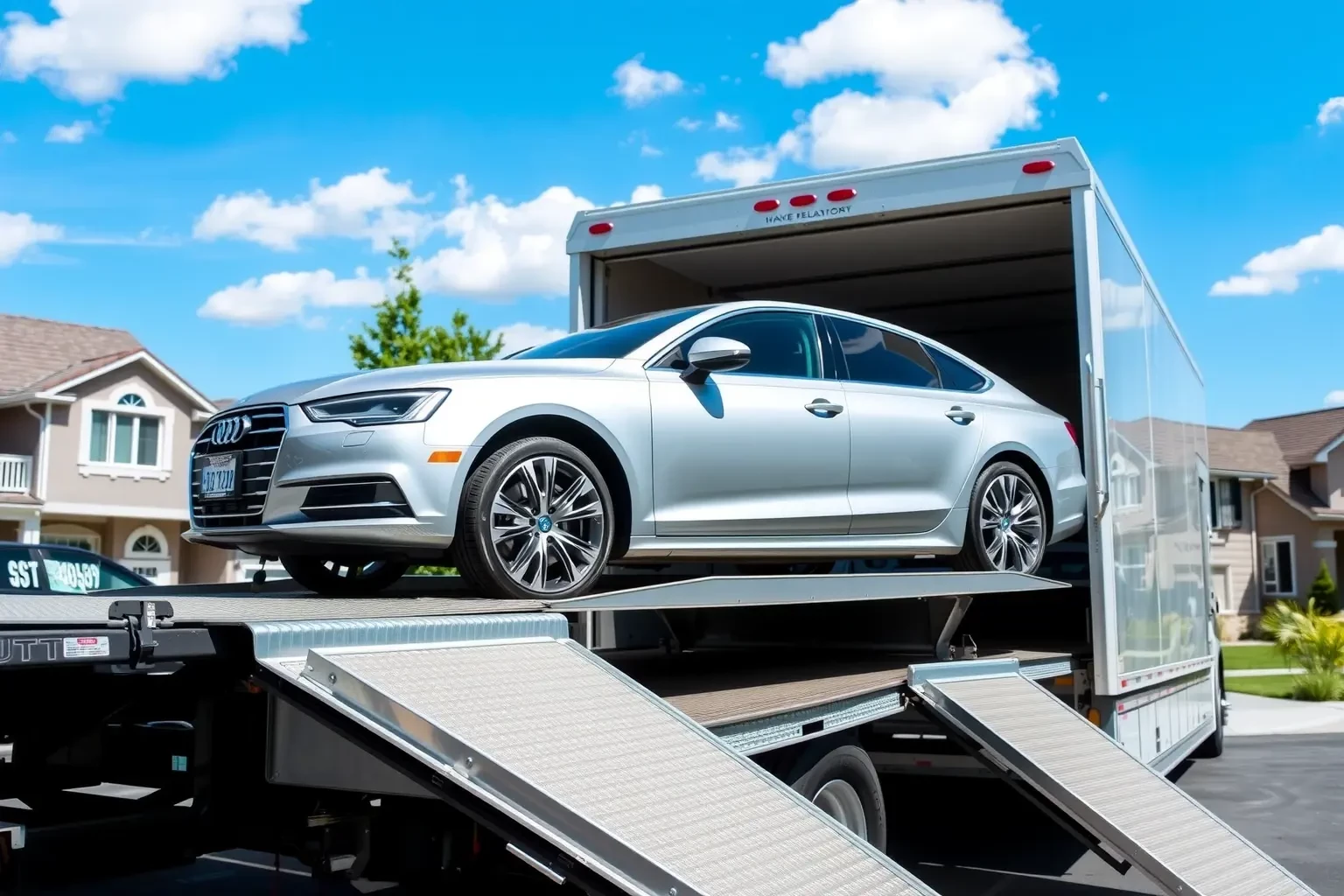
Car shipping transportation services

In today’s fast-paced world, the need to relocate vehicles across states or even countries has become increasingly common. Whether moving for a job, purchasing a car from a distant seller, or heading to a seasonal home, car shipping transportation services offer a convenient and reliable solution. This article provides a comprehensive guide to understanding and choosing the best car shipping service for your needs.

What Are Car Shipping Transportation Services?

Car shipping transportation services, also known as auto transport services, involve the transportation of vehicles from one location to another using specialized carriers. These services cater to a variety of needs, including individual car owners, dealerships, and manufacturers. Companies offering these services ensure the safe and timely delivery of vehicles through a network of experienced drivers and state-of-the-art equipment.

Types of Car Shipping Services

1. Open-Air Transport

Open-air transport is the most common and cost-effective method of shipping a car. Vehicles are loaded onto an open trailer, which can carry multiple cars at once. While this method is generally safe, cars are exposed to the elements, which might be a concern for high-end or classic cars.

2. Enclosed Transport

For added protection, enclosed transport places vehicles in a covered trailer, shielding them from weather and road debris. This service is ideal for luxury, classic, or high-value cars and provides peace of mind at a higher cost.

3. Door-to-Door Service

Door-to-door service offers maximum convenience by picking up the vehicle from a specified location and delivering it directly to the destination. This service saves time and hassle, making it a popular choice among customers.

4. Terminal-to-Terminal Service

In terminal-to-terminal service, vehicles are dropped off and picked up at designated terminals. This option is often more affordable but requires the customer to transport the vehicle to and from the terminals.

Factors to Consider When Choosing a Car Shipping Service

1. Reputation and Reviews

Researching the reputation of the car shipping company is crucial. Look for reviews and ratings on platforms like the Better Business Bureau, Trustpilot, and Google Reviews. Positive feedback and high ratings often indicate reliable service.

2. Insurance Coverage

Ensure that the car shipping company offers adequate insurance coverage in case of damage or loss during transit. Ask for detailed information about their insurance policy and verify that it aligns with your needs.

3. Cost

Obtain quotes from multiple car shipping companies to compare prices. Be wary of quotes that are significantly lower than others, as they might indicate subpar service or hidden fees. Balance cost with the quality of service provided.

4. Delivery Timeframe

Consider the estimated delivery timeframe when choosing a service. Some companies offer expedited shipping at a higher cost, while others may have longer delivery windows. Choose a service that fits your schedule and urgency.

5. Customer Service

Good customer service is vital for a smooth car shipping experience. Choose a company that is responsive, transparent, and willing to answer all your questions. Reliable customer support can make a significant difference in case of any issues during the transport process.

Steps to Prepare Your Car for Shipping

  1. Clean Your Vehicle Thoroughly clean your car inside and out to document its condition accurately before shipping. This makes it easier to spot any damages that might occur during transport.
  2. Remove Personal Items Remove all personal items from the vehicle to avoid potential theft and reduce weight. Auto transport companies are not liable for personal belongings left in the car.
  3. Check for Leaks and Mechanical Issues Inspect your car for any leaks or mechanical problems. Ensure that the vehicle is in good working condition before shipping to avoid complications during transport.
  4. Document the Condition Take detailed photos of your car from various angles and note any existing damage. This documentation will be essential for insurance claims if any new damage occurs during shipping.
  5. Disable Alarms and Toll Tags Disable any alarms and remove toll tags to prevent unnecessary charges and disturbances during transport.

Conclusion

Car shipping transportation services provide a reliable and efficient way to move vehicles over long distances. By understanding the different types of services available and considering factors such as reputation, insurance, cost, and customer service, you can make an informed decision. Properly preparing your vehicle for shipping further ensures a smooth and stress-free experience. Whether you’re relocating, buying a car from afar, or shipping a prized possession, choosing the right car shipping service will give you peace of mind and ensure your vehicle arrives safely at its destination.


How to ship a car abroad

Shipping a car internationally can be a complex process, but with the right guidance, it can be smooth and efficient. Whether relocating or purchasing a vehicle from overseas, understanding the intricacies of international car shipping is essential. This article will guide you through the process, covering key aspects such as overseas vehicle transport, choosing the right auto transport companies, and understanding shipping costs and customs regulations.

Choosing the Right Auto Transport Company

The first step in shipping a car abroad is selecting a reliable auto transport company. Look for companies with experience in overseas vehicle transport and a good reputation. It’s important to compare quotes and services, as shipping costs can vary significantly.

Shipping Costs

Shipping costs depend on several factors, including the car’s size, the distance between the port of departure and the delivery destination, and the chosen shipping method. Get detailed quotes from multiple companies to ensure you’re getting the best deal.

Shipping Methods

There are several car shipping methods to choose from:

  • Container Shipping: This method involves placing the vehicle in a large shipping container. It is a secure option, protecting the car from the elements and potential damage.
  • Roll-on/Roll-off (RoRo): In this method, vehicles are driven onto a ship and secured for transport. It is typically less expensive than container shipping but offers less protection.

Understanding Customs Regulations

Customs regulations can vary by country, so it’s crucial to research the specific requirements of the destination country. This includes understanding vehicle import/export laws, taxes, and duties.

Documentation Requirements

Proper documentation is essential for international car shipping. Required documents typically include:

  • Bill of Lading
  • Vehicle Title and Registration
  • Proof of Ownership
  • Import/Export Declaration

Using Freight Forwarding Services

Freight forwarding services can simplify the car shipping process. These services handle logistics, paperwork, and coordination with shipping companies. They can be especially helpful for those unfamiliar with the intricacies of international shipping.

Transit Times

Transit times for international car shipping can range from a few weeks to several months, depending on the distance and shipping method. It’s important to plan ahead and consider any potential delays.

International Shipping Insurance

Opting for international shipping insurance is wise to protect against potential damage or loss during transit. Review the insurance policy carefully to understand what is covered.

Shipping a car abroad requires careful planning and consideration of various factors, including choosing the right shipping method, understanding customs regulations, and ensuring proper documentation. By working with experienced auto transport companies and potentially leveraging freight forwarding services, you can ensure a smooth and successful transport of your vehicle from the port of departure to the delivery destination.

How much to ship a car internationally

Shipping a car internationally can be a complex process that involves understanding various factors‚ including vehicle transport costs‚ import/export regulations‚ and destination country requirements. Whether you’re relocating abroad or purchasing a vehicle from overseas‚ it’s crucial to grasp the intricacies of international car shipping.

Understanding Vehicle Transport Costs

The primary consideration in international car shipping is the overall vehicle transport costs. These costs can vary significantly based on several factors:

  • Vehicle Size and Weight: Larger and heavier vehicles incur higher shipping costs due to increased freight charges.
  • Shipping Method: Options like roll-on/roll-off service‚ container shipping‚ and air freight for cars each have different pricing structures.
  • Maritime Shipping Routes: The distance and popularity of the shipping route can impact costs.
  • Destination Port Fees: Charges at the receiving port must be considered.
  • Customs Clearance Fees: Import duties and taxes are dependent on the destination country’s regulations.

Choosing the Right Shipping Method

International car shipping offers several methods‚ each with its own advantages and cost implications:

Roll-On/Roll-Off Service

This economical method involves driving the vehicle onto a specialized ship. It is suitable for standard-sized vehicles but may not be ideal for high-end or classic cars due to exposure to the elements.

Container Shipping

Providing more protection‚ container shipping allows vehicles to be transported in enclosed units. This method is preferred for valuable or delicate vehicles as it reduces the risk of damage.

Air Freight for Cars

Though costly‚ air freight is the fastest option. It’s ideal for urgent shipments or transporting luxury vehicles‚ where time and safety are paramount.

Freight Shipping Rates

The freight shipping rates are influenced by several factors‚ including the type of vehicle‚ shipping method‚ and route. Rates can fluctuate based on:

  • Seasonal Demand: High demand periods can increase costs.
  • Fuel Prices: Fluctuating fuel costs affect shipping rates.
  • Insurance Costs: Shipping insurance is vital to protect against potential damage or loss.

Customs and Import/Export Regulations

Understanding import/export regulations is vital to avoid delays and additional costs. Each country has specific requirements regarding:

  • Documentation for Shipping: Proper paperwork‚ including the Bill of Lading and vehicle title‚ is necessary.
  • Destination Country Requirements: Compliance with local laws and standards is essential.
  • Customs Clearance Fees: These fees vary by country and are necessary for legal entry.

International Logistics and Auto Transport Companies

Partnering with experienced auto transport companies ensures a smoother shipping process. These companies handle international logistics and offer services like:

  • Door-to-Door Delivery: Convenience of pickup and delivery directly from and to the specified locations.
  • Port-to-Port Shipping: Economical option where you manage the transport to and from ports.
  • Documentation Assistance: Help with necessary paperwork and compliance.

Delivery Timelines

Shipping timelines vary based on factors such as shipping method and route. Generally:

  • Roll-On/Roll-Off Service: Typically takes longer due to port handling times.
  • Container Shipping: Offers a balance between cost and time efficiency.
  • Air Freight for Cars: Fastest option‚ ideal for urgent deliveries.

Shipping a car internationally requires careful planning and understanding of various elements such as vehicle transport costs‚ freight shipping rates‚ and import/export regulations. By selecting the right car shipping services and familiarizing yourself with destination country requirements‚ you can ensure a smooth‚ efficient‚ and cost-effective shipping experience.

How much to ship a car from japan to usa

Shipping a car from Japan to the USA involves multiple factors that influence the overall cost․ Understanding these components can help potential importers make informed decisions․ This article explores the key aspects of car transportation between these two countries, including shipping cost, international shipping regulations, and the steps involved in the shipping process․

Understanding Shipping Costs

The shipping cost of transporting a vehicle from Japan to the USA varies depending on several factors․ These include the type of vehicle, the selected transport company, and the chosen shipping method․ The most common methods are ocean freight and air freight, with ocean freight being the more economical option for most importers․

Factors Influencing Shipping Costs

  • Vehicle Size and Weight: Larger and heavier vehicles generally incur higher shipping charges․
  • Shipping Method: Choosing between container shipping and roll-on/roll-off (RoRo) can affect costs․ Container shipping offers more protection but is usually more expensive․
  • Shipping Distance: The longer the distance, the higher the shipping cost․ This includes transit from the port in Japan to the final delivery location in the USA․
  • Customs Fees and Import Taxes: Customs fees and import taxes must be factored into the total cost of car importation․
  • Freight Charges: Freight charges paid to the transport company for handling and moving the vehicle․

Shipping Process and Regulations

The shipping process from Japan to the USA involves several steps, each governed by specific shipping regulations and requirements․ Here’s a breakdown of the typical process:

Step-by-Step Shipping Process

  1. Obtaining a Shipping Quote: Contact a reputable transport company to get a shipping quote that outlines the estimated freight charges and additional fees․
  2. Vehicle Preparation: Ensure the car is cleaned and all personal belongings are removed․ The vehicle should meet both Japanese export and US import standards․
  3. Documentation: Prepare necessary documentation, including the bill of sale, vehicle title, and any additional paperwork required for customs clearance․
  4. Loading and Transportation: Depending on the chosen method, the vehicle is either loaded into a container or onto a RoRo vessel for maritime transport․
  5. Customs Clearance: Upon arrival in the USA, customs officials inspect the vehicle․ Import taxes and customs fees are assessed before the vehicle is cleared for delivery․
  6. Final Delivery: Arrange for the car to be delivered to the desired location in the USA, either directly to your address or to a specified pick-up point․

Transit and Delivery Time

The transit time for shipping a car from Japan to the USA depends on the shipping method and the ports involved․ Typically, ocean freight takes 4 to 6 weeks․ However, delivery time can be affected by factors such as weather conditions, port congestion, and customs processing times․

Shipping a car from Japan to the USA is a complex process that involves multiple costs and steps․ By understanding the factors that influence shipping costs, the shipping process, and the necessary regulations, importers can better navigate the intricacies of international shipping․ Whether you’re importing a classic vehicle or a modern car, planning and choosing the right transport company are crucial for a smooth experience․ Always ensure that you comply with shipping regulations and factor in all potential fees to avoid unexpected expenses during your car importation․

How much to ship a car across country

Shipping a car across the country can be a daunting task, with various factors influencing the transport cost. Whether you’re relocating, buying a car from a distant seller, or sending a vehicle to a family member, understanding the intricacies of vehicle transport is crucial. This article delves into the costs associated with auto shipping, the factors affecting these costs, and the different shipping methods available.

Understanding Car Shipping Costs

The cost of cross-country shipping is influenced by several factors. Key considerations include the transport distance, the type of car transport service chosen, and the specifics of the vehicle being shipped. On average, shipping rates can range from $500 to $1,500, but this varies significantly based on the mentioned factors.

  • Transport Distance: The farther the distance, the higher the cost. Long-distance transport across the country will naturally incur higher fees than shorter routes.
  • Vehicle Type and Condition: Larger vehicles like SUVs and trucks typically cost more to ship than smaller cars. Additionally, non-working vehicles might require special equipment, increasing costs.
  • Shipping Methods: The choice between open and enclosed transport can affect the price. Enclosed transport offers more protection but at a higher cost.

Choosing a Vehicle Shipping Company

Selecting a vehicle shipping company is a critical step in the process. It’s vital to choose a reputable company to ensure your vehicle’s safety and timely delivery. Here are some tips for selecting the right company:

  1. Research and compare shipping quotes from multiple companies to find the best rates.
  2. Check reviews and ratings to assess the company’s reputation.
  3. Ensure the company is licensed and insured to protect your vehicle during transit.

Shipping Methods: Open vs. Enclosed Transport

When it comes to auto transport carrier options, you generally have two choices: open and enclosed transport. Each has its pros and cons:

Open Transport

This is the most common and cost-effective method. Vehicles are transported on an open carrier, which is similar to the trucks you see on highways. However, because the cars are exposed to weather elements and road debris, there’s a minor risk of damage.

Enclosed Transport

For those seeking additional protection, enclosed transport is the way to go. Vehicles are shipped in a covered trailer, shielding them from the elements and potential damage. This option is ideal for luxury, classic, or high-value cars but comes with higher shipping rates;

Calculating Transportation Fees

Several elements contribute to the total transportation fees:

  • Base Cost: Determined by the distance and the shipping method chosen.
  • Fuel Surcharges: These can fluctuate based on current fuel prices.
  • Additional Services: Services such as door-to-door delivery or expedited shipping might incur extra charges.

Car Delivery and Timing

The timing of car delivery can vary. Typically, nationwide shipping takes between 7 to 14 days. However, factors such as weather, traffic, and route changes can affect delivery times. It’s advisable to plan ahead and schedule your vehicle relocation well in advance to avoid any inconvenience.

Final Thoughts on Moving a Car

When it comes to moving a car across the country, understanding the myriad factors that influence pricing is essential. Whether you opt for budget-friendly open transport or the added security of enclosed transport, the key is to choose a trusted car hauler that offers competitive rates and reliable service.

By carefully considering the options and conducting thorough research, you can ensure a smooth and cost-effective vehicle transport experience. Remember, the cheapest option isn’t always the best; prioritize a balance between cost, safety, and reliability to ensure your vehicle arrives in the condition you expect.

How much ship car across country

Shipping a vehicle across the country can be a daunting task‚ but with the right information and planning‚ it becomes a manageable process. Understanding the factors that influence vehicle transport costs and the options available can help you make informed decisions. In this article‚ we explore the intricacies of auto shipping‚ focusing on cross-country transportation‚ and provide insights into transportation cost‚ car carrier options‚ delivery time‚ and more.

Factors Affecting Transportation Cost

The cost of shipping a car across the country is influenced by several factors:

  • Distance: Naturally‚ the further you need to ship your car‚ the higher the cost. Long-distance transport across the country will typically be more expensive than shorter routes.
  • Vehicle Size and Weight: Larger and heavier vehicles cost more to ship due to increased space and fuel consumption.
  • Type of Transport: The choice between enclosed transport and open transport affects pricing. Enclosed transport offers more protection but at a higher price.
  • Pickup and Delivery Locations: Shipping from or to remote or difficult-to-access areas can increase costs due to the added logistics involved.
  • Season and Demand: Shipping rates can vary with the season. Higher demand during certain times of the year‚ like summer‚ can lead to increased prices.
  • Route Planning: The efficiency of the planned route by the shipping company can impact costs‚ with more direct routes generally being cheaper.

Car Carrier Options

When considering vehicle relocation‚ it’s essential to understand your options regarding car carriers:

  1. Open Transport: This is the most common and cost-effective method. Vehicles are loaded onto an open-air carrier‚ which is more exposed to the elements but significantly cheaper.
  2. Enclosed Transport: Offers additional protection as vehicles are shipped in a covered carrier. Ideal for luxury‚ vintage‚ or high-value vehicles‚ though more expensive due to the added security.

Delivery Time and Logistics

The delivery time for cross-country vehicle shipment depends on several factors including the distance‚ route‚ and carrier efficiency. Generally‚ shipping a car across the country can take anywhere from 7 to 14 days.

Effective logistics and route planning by the shipping company can help reduce delivery times and ensure a smoother process.

Transit Insurance

Most reputable shipping companies offer transit insurance to cover potential damages during transportation. It’s crucial to understand the coverage limits and terms before committing to a service.

Choosing a Shipping Company

When selecting a car transport service‚ consider the following:

  • Reputation: Look for companies with good reviews and a strong track record in nationwide shipping.
  • Freight Charges: Compare quotes from multiple companies to find competitive rates. Be sure to understand what is included in the freight charges.
  • Customer Service: Choose a company known for excellent customer service and clear communication.

Shipping a car across the country involves navigating several factors‚ from choosing the right vehicle transport method to understanding transportation costs and logistics. By considering all aspects from car carrier options to transit insurance‚ you can ensure a smooth and cost-effective vehicle shipment experience.

How much is it to ship my car

Shipping a car from one location to another can be a daunting task, especially when considering the various factors that influence car shipping cost․ Whether you’re relocating to a different state or purchasing a vehicle from afar, understanding the dynamics of vehicle transport is crucial․ This article will delve into the elements that determine auto transport expenses and offer insights on how to obtain accurate auto transport quotes․

Factors Influencing Car Shipping Costs

Several factors can impact the car shipping price․ By understanding these elements, you can better estimate the costs involved:

  • Distance: The further the distance, the higher the vehicle transport cost․ Longer routes require more fuel and time, increasing the overall expense․
  • Vehicle Size and Weight: Larger and heavier vehicles typically cost more to transport due to space and fuel considerations․
  • Transport Type: Choosing between open and enclosed car transport service affects pricing․ Enclosed transport offers more protection but at a higher cost․
  • Season: Demand for auto transport services can fluctuate with the seasons․ For example, summer often sees higher vehicle shipping rates due to increased demand․
  • Pickup and Delivery Locations: Transporting a car between major cities is generally cheaper than rural areas due to accessibility․

Obtaining Auto Transport Quotes

Getting accurate auto transport quotes is essential for budgeting your car shipping expenses․ Here are some steps to help you obtain reliable quotes:

  1. Research Vehicle Shipping Companies: Start by researching reputable car shipping companies․ Look for reviews and testimonials to gauge customer satisfaction․
  2. Request Multiple Quotes: Contact several vehicle shipping companies to obtain a range of quotes․ This will give you a clearer picture of the market rate for your specific transport needs․
  3. Provide Accurate Information: Ensure you provide precise details about your vehicle and transport requirements to get the most accurate quotes․
  4. Inquire About Additional Fees: Ask about any potential additional fees that may not be included in the initial quote, such as delivery to remote areas or expedited shipping․

Understanding Car Delivery Service Options

There are different options available when it comes to car delivery service․ Knowing these can help you make an informed decision:

  • Open Transport: The most common and cost-effective method, where vehicles are transported on open trailers․
  • Enclosed Transport: Offers more protection for your vehicle by transporting it in an enclosed trailer, ideal for luxury or classic cars․
  • Door-to-Door Service: The convenience of having your vehicle picked up and delivered directly to specified addresses․
  • Terminal-to-Terminal Service: A more economical option where you drop off and pick up your vehicle at designated terminals․

Tips to Reduce Vehicle Shipping Rates

To minimize vehicle shipping rates, consider these tips:

  • Book in Advance: Scheduling your transport early can help secure better rates․
  • Be Flexible with Timing: Flexibility with pickup and delivery dates can lead to cost savings․
  • Consider Open Transport: If your vehicle doesn’t require extra protection, opting for open transport can save money․

Understanding the factors that influence car transportation costs and knowing how to obtain competitive auto transport quotes can help you budget effectively․ By researching car shipping companies and exploring various service options, you can ensure a smooth and cost-efficient car transport service․ Whether you’re shipping a car across states or just a few hundred miles, being informed is key to making the best decision for your needs․

How much is it to have a car shipped

When considering moving a vehicle from one location to another, understanding the car shipping cost is crucial. Whether you’re relocating, purchasing a car from a different state, or need to transport your vehicle for any other reason, knowing the intricacies of vehicle transport can help you plan effectively.

Factors Affecting Car Shipping Cost

The cost of shipping a car is influenced by several factors. Understanding these elements will help you get a more accurate car shipping quote and prepare your budget accordingly.

  • Distance: The longer the distance, the higher the cost. Shipping a vehicle cross-country will be more expensive than transporting it within the same state.
  • Vehicle Size and Weight: Larger and heavier vehicles, such as trucks and SUVs, generally cost more to ship than smaller cars.
  • Transport Type: There are two main types of vehicle transport: open and enclosed. Open transport is less expensive but exposes the vehicle to weather and road debris. Enclosed transport offers more protection but comes at a higher price.
  • Seasonality: Prices can vary depending on the time of year. For instance, shipping costs may increase during peak moving seasons in the summer.
  • Route and Accessibility: Popular routes between major cities are generally cheaper than less traveled or rural routes. Additionally, if the pickup or delivery location is difficult to access, it might increase the cost.
  • Condition of the Vehicle: Inoperable vehicles may incur higher auto freight charges due to the need for special equipment to load and unload the car.

Types of Car Delivery Service

Choosing the right car delivery service is essential for meeting your needs and budget. Here’s a breakdown of the different services available:

Open Transport

This is the most common and cost-effective method of car shipping. Vehicles are transported on an open carrier, which can carry multiple cars at once. While this method is affordable, it also means your car is exposed to the elements.

Enclosed Transport

Enclosed transport provides added protection by transporting vehicles in a closed trailer. This method is ideal for luxury, classic, or high-value vehicles. However, it is more expensive than open transport.

Door-to-Door Service

With this service, the auto transport company picks up and delivers your vehicle as close to your specified addresses as possible. It offers convenience but may cost more than terminal-to-terminal service.

Terminal-to-Terminal Service

Your vehicle is dropped off and picked up at designated terminals. This option can be cheaper but requires you to travel to the terminal locations.

Getting a Car Shipping Quote

To get an accurate vehicle shipping estimate, contact multiple auto transport companies and request quotes. Here’s what you should consider when comparing auto shipping rates:

  • Comprehensive Pricing: Ensure the quote includes all potential fees, such as fuel surcharges or insurance costs.
  • Reputation and Reviews: Research the company’s reputation through reviews and ratings to ensure reliability and trustworthiness.
  • Insurance Coverage: Verify the insurance coverage provided by the company for any potential damages during transit.
  • Service Options: Confirm the availability of your preferred transport type (open or enclosed) and delivery service (door-to-door or terminal-to-terminal).

Understanding Auto Freight Charges

Auto freight charges are the fees associated with transporting a vehicle. These charges typically include the cost of labor, fuel, tolls, and any additional services you select. By understanding these charges, you can better assess the overall vehicle shipping price.

Tips to Reduce Car Transport Cost

While the cost of car shipping can seem daunting, there are ways to minimize expenses:

  • Book in Advance: Planning and booking your shipment early can help you secure better rates.
  • Be Flexible with Dates: Flexibility with pickup and delivery dates can allow you to take advantage of lower rates.
  • Opt for Terminal-to-Terminal Service: If convenience is not a priority, choosing terminal-to-terminal service can save money.
  • Choose Open Transport: Unless your vehicle requires extra protection, open transport is the more economical choice.

Understanding the car transport cost and the factors that influence it is essential when planning to ship a car. By considering the type of service, distance, vehicle size, and other variables, you can obtain an accurate cost estimate and choose the best option for your needs. Always research and compare different auto transport companies to ensure you receive the most reliable service at the best price.

How much does it cost to ship cars

Shipping costs for vehicles can vary significantly based on a variety of factors.
Whether you’re looking to transport a car across the country or internationally,
understanding these factors can help you navigate the complexities of car shipping and ensure you find the best deal.

Factors Influencing Vehicle Transport Costs

When it comes to determining the cost of car shipping, several key factors come into play.
These include the distance, the shipping method chosen,
the weight and size of the vehicle, and more.

Distance

Distance is one of the primary determinants of shipping costs. Generally, the farther
the vehicle transport, the higher the shipping rates. However, longer distances might
benefit from a lower cost per mile than shorter trips due to the efficiency of scale.

Shipping Method

The method of transportation plays a crucial role in determining the delivery cost.
There are two main types of car transport service: open transport
and enclosed transport.

  • Open Transport: This is the most common and cost-effective method.
    Vehicles are transported on open trailers, which exposes them to weather and road conditions.
  • Enclosed Transport: This offers more protection as cars are shipped
    in a covered trailer. This option is more expensive but ideal for high-value or classic cars.

Weight and Size

Larger and heavier vehicles incur higher transportation fees due to the increased space
and weight they occupy on the carrier. It’s important for the shipping company to know
the exact specifications of your vehicle to provide an accurate quote.

Pickup and Delivery Locations

The location of pickup and delivery can also impact shipping costs. Shipping between
major cities or along well-traveled routes is typically less expensive than remote or
rural areas. Additionally, a door-to-door delivery service might add
to the cost compared to terminal-to-terminal shipping.

Seasonal Demand

Like many logistics services, car shipping demand fluctuates with seasons. Summer months
often see higher demand, which can drive up costs. Planning your shipment during off-peak
periods might result in lower freight charges.

Insurance

Insurance is a critical aspect of car shipping. Most carriers offer a basic level of
insurance, but you may opt for additional coverage for peace of mind, especially if
you’re using enclosed transport for a high-value vehicle.

International Shipping

When shipping a car internationally, additional costs and considerations come into play.
Customs fees, adherence to transport regulations of
both the origin and destination countries, and longer transit times can all affect the
overall cost. Working with a shipping company experienced in international logistics is advisable.

Additional Costs and Considerations

Beyond the primary factors, there are additional costs and considerations that can impact
the total cost of auto transport.

Fuel Surcharge

Fuel prices are volatile, and many car carriers include a fuel surcharge
in their rates to account for fluctuations. It’s crucial to confirm whether this is included
in your quote to avoid unexpected charges.

Transit Time

The urgency of delivery can affect the price. Expedited shipping will increase the cost,
while more flexible schedules might save you money. It’s essential to discuss your timeline
needs with the shipping company.

Choosing the Right Shipping Company

Selecting a reliable and trustworthy shipping company is crucial for a seamless car shipping
experience. Look for companies with positive reviews, transparent pricing, and a proven track
record in vehicle transport.

Consider obtaining multiple quotes to compare shipping rates, and ensure you understand what
is included in each quote. Inquire about their insurance policies, experience with specific
shipping methods, and their approach to handling logistics challenges.

Shipping a car involves careful consideration of various factors that influence the overall cost.
From distance and shipping method to seasonal demand and insurance, each element plays a role in
determining the final price. By understanding these factors and working with a reputable shipping
company, you can ensure a cost-effective and efficient car transport service.

How much does it cost to get car shipped

Car transport services have become increasingly popular as people relocate‚ buy vehicles from distant locations‚ or even sell cars across state lines or internationally. Whether you are considering auto shipping for the first time or you are a seasoned user of vehicle delivery services‚ understanding the factors that influence shipping cost is crucial. In this article‚ we will explore the various elements that affect the pricing of car transport services and provide a comprehensive guide for potential users.

Factors Affecting Shipping Cost

The cost of car shipment can vary widely based on several key factors. Here are the primary components that contribute to the overall cost:

Distance

The distance between the pickup location and the delivery destination is one of the most significant factors affecting the cost of car transport. Generally‚ the longer the distance‚ the higher the cost. However‚ the cost per mile may decrease as the distance increases due to economies of scale.

Type of Transport Service

Carriers offer two main types of transport services: open transport and enclosed transport. Open transport is the most common and cost-effective method‚ where vehicles are loaded onto an open-air carrier. Enclosed transport offers more protection‚ as vehicles are transported in a covered trailer‚ but it is typically more expensive.

Vehicle Size and Weight

Larger and heavier vehicles may incur higher freight charges due to the additional space and weight they occupy on the carrier. This includes larger sedans‚ SUVs‚ trucks‚ and vans;

Shipment Time

The timing of your shipment can impact the cost. Expedited shipping‚ where faster delivery is required‚ can significantly increase the price compared to standard shipping schedules.

Seasonal Demand

Demand for auto transport services can fluctuate with the seasons. Higher demand during peak seasons‚ such as summer when many people relocate‚ can lead to increased prices.

Insurance Coverage

Most auto transport companies offer basic insurance coverage as part of their service. However‚ additional coverage can be purchased for extra protection‚ which will add to the cost.

Fuel Surcharge

Fluctuating fuel prices can affect transport costs. A fuel surcharge may be included to account for increases in fuel costs‚ which is typically adjusted based on current market conditions.

Pickup and Delivery Locations

Shipping to and from remote or less accessible areas can incur higher costs due to the additional logistics involved. Conversely‚ major cities and transport hubs may offer lower rates due to higher service availability.

Customer Reviews and Company Reputation

The reputation of the auto transport company can also influence cost. Companies with excellent customer reviews and a strong track record may charge more for their reliable services.

Calculating Relocation Expenses

When planning for relocation‚ it’s important to consider the total relocation expenses that include car shipping. Here’s how you can estimate your costs:

  1. Obtain Quotes: Contact multiple auto transport companies to get quotes. Ensure that each quote includes all potential fees and surcharges.
  2. Compare Services: Evaluate the services offered by different companies‚ including insurance coverage‚ transport types‚ and delivery times.
  3. Understand Terms: Read the fine print carefully to understand what is included in the service and any additional costs that may arise.
  4. Plan for Additional Costs: Consider additional expenses such as insurance upgrades or expedited services if needed.

International Shipping Considerations

For international shipping‚ additional factors come into play‚ such as customs clearance fees‚ import duties‚ and compliance with international regulations. These can significantly increase the cost and complexity of vehicle delivery. It is advisable to work with a company experienced in international logistics to navigate these challenges effectively.

Choosing the Right Auto Transport Company

Selecting the right company is crucial for a smooth and cost-effective shipping experience. Here are some tips to help you make the right choice:

  • Research and Reviews: Look for companies with positive customer reviews and a strong industry reputation.
  • Experience and Expertise: Choose a company with extensive experience in car transport‚ particularly if you are considering international shipping.
  • Transparent Pricing: Ensure the company provides transparent pricing with no hidden fees.
  • Comprehensive Insurance: Opt for a company that offers comprehensive insurance coverage for peace of mind.

Understanding the factors that influence car shipping costs can help you make informed decisions and find the best transport service for your needs. By considering distance‚ type of transport‚ vehicle specifications‚ and other factors‚ you can effectively budget for your car shipping needs. Whether you are relocating domestically or internationally‚ working with a reputable auto transport company will ensure a smooth and secure vehicle delivery process.

How does car shipping work

Car shipping, also known as automobile transport, is a convenient solution for relocating vehicles across different locations, whether domestically or internationally. This service is pivotal for individuals moving homes, purchasing cars from distant sellers, or any scenario requiring the transportation of vehicles over long distances. Understanding the intricacies of vehicle shipping can help ensure a smooth and efficient experience.

Understanding the Basics of Automobile Transport

At its core, automobile transport involves moving a vehicle from one location to another using specialized carriers. These freight carriers are designed to safely handle and transport vehicles, ensuring they reach their destination without damage.

The Delivery Process

The delivery process begins with selecting a suitable shipping company. These companies provide various options for transporting vehicles, such as open trailers and enclosed transport. Open trailers are more common and cost-effective, while enclosed transport offers additional protection for high-value or classic cars.

Transportation Logistics

Transportation logistics involves planning the most efficient route, coordinating pickup and delivery schedules, and ensuring compliance with laws and regulations. Shipping companies handle these logistics, providing customers with auto transport quotes that detail the cost and estimated transit times.

Steps in the Car Shipping Process

Getting Auto Transport Quotes

The first step is obtaining quotes from various shipping companies. These auto transport quotes help customers compare prices and services to select the best option. Factors influencing the cost include distance, vehicle size, and transport type (open or enclosed).

Booking Process

Once a suitable quote is selected, the booking process begins. This involves finalizing details such as pickup and delivery locations, preferred transport method, and any additional services like insurance coverage. Insurance is crucial as it provides peace of mind, covering potential damages during transit.

Pickup and Delivery

The shipping company arranges for pickup and delivery, coordinating times that align with the customer’s schedule. Some companies offer door-to-door service, collecting the vehicle from the customer’s location and delivering it directly to the specified address, enhancing convenience.

Transit and Monitoring

During transit, vehicles are monitored to ensure they remain on track to reach their destination within the estimated timeframe. Some companies offer tracking features, allowing customers to check the status of their shipment in real-time.

International Shipping

For those needing international shipping, the process involves additional steps such as customs clearance and compliance with international shipping regulations. Shipping companies experienced in international logistics can navigate these complexities, ensuring the vehicle reaches its destination safely and legally.

Types of Transport Options

Open Trailers vs. Enclosed Transport

  • Open Trailers: The most common and economical option, suitable for standard vehicles. However, vehicles are exposed to weather elements and road debris.
  • Enclosed Transport: Offers greater protection from external elements, ideal for luxury, exotic, or classic cars. This method is typically more expensive but provides superior security.

The Importance of Insurance Coverage

While shipping companies take extensive precautions, insurance coverage is essential for protecting against unforeseen events during transit. Customers should review the insurance policies offered by shipping companies to ensure adequate coverage for their specific needs.